
Development of hydrofoil research platform
Background
NTNU has a lot of ocean research platforms, such as the AutoNaut and the Otter, which are great for long-term monitoring of the sea. But they are terribly slow, and where is the fun in that? For monitoring and surveillance applications that require higher speed, such as fish tracking, hydrofoil boats could be the solution.
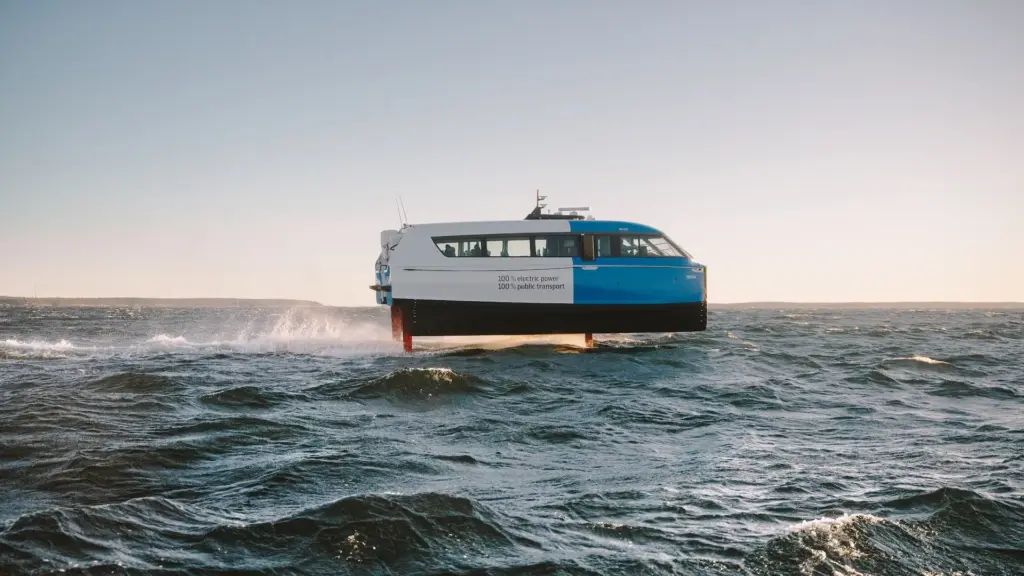
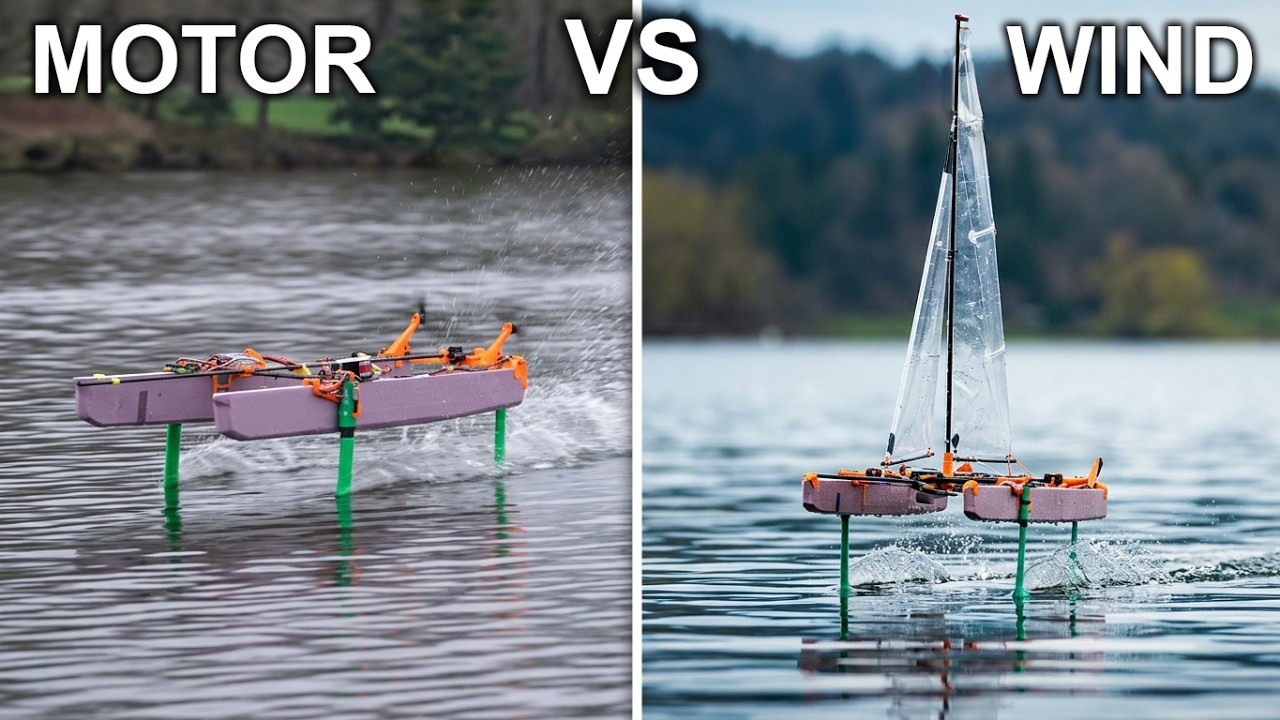
Hydrofoil boats fly through the water on submerged wings (hydrofoils) that lift the hull out of the water, reducing drag and power consumption and increasing speed. The advancements in sensors and compute seen over the past decades have laid the foundation for both commercial boats, such as the Candela P-12 that was in testing between Trondheim and Frosta earlier this year, and hobby projects such as RCtestflight.
Scope
We are looking for someone who is keen on building a physical, remote-controlled or autonomous hydrofoil. The long-term goal is to use it as a research platform at ITK, such as carrying sensor payloads, doing research on control, or for educational purposes.
This is a hands-on project. Most of the time will be spent designing, building, testing, breaking and rebuilding the hydrofoil, and taking it out on the water.
The scope depends largely on the interests and skills of the student. Possible tasks include:
- Design and build of hull, foils and struts (e.g. 3D printing, CNC, composites)
- Selection and integration of propulsion, actuators, sensors and flight controller (e.g. ArduPilot/PX4)
- Modelling and simulation of the foiling dynamics
- Ride-height and attitude control, from take-off to stable foiling
- Field testing on Trondheimsfjorden
Who We Are Looking For
This project is for you if you like to make things: you have built drones, RC models, robots or boats, or you spend your weekends with a soldering iron, a 3D printer or a tube of epoxy. You don’t have to be an expert in all of this, but you should be eager to learn and willing to get your hands dirty, and wet. If you already know what a T-foil is, sail a foiling Moth, or watch hydrofoil videos on YouTube, even better!
We expect you to:
- be self-driven, and enjoy turning ideas into working hardware
- have practical experience with electronics, mechanical design and/or prototyping
- be comfortable with programming (e.g. C/C++ or Python) for embedded systems
- accept that things will break, and enjoy figuring out why
When you contact us, please tell us briefly about something you have built. Pictures or links are welcome.
What You Will Learn
- Rapid prototyping and building of an unmanned vehicle from scratch
- Hydrodynamics and stability of hydrofoil vessels
- Integration of sensors, actuators and autopilot hardware and software
- Modelling, system identification and control of a fast, unstable system
- Planning and executing field experiments at sea
Contact
Contact supervisors Kristoffer Gryte, Damiano Varagnolo, or Tord Natlandsmyr